Obon, Yukata and the Kimono-Fabric Origin of the Aloha Shirt
Every summer, Buddhist temples across Hawaii light their lanterns, set up a drum tower and invite anyone who wants to join a circle dance. The dancers wear cotton yukata in bold prints. Walk a few steps away from the circle and you may notice something familiar: those prints and the colorful aloha shirt share part of the same story.
Key Takeaways
- Many accounts of the aloha shirt's origins credit Japanese tailors and fabric originally made for kimonos.
- Bon dances came to Hawaii with Japanese immigrants who worked on the plantations, and they are still held across the Islands each summer.
- Experienced dancers wear cotton yukata, not kimono, because cotton suits hot weather.
- You do not need a yukata to attend a Bon dance. Comfortable clothing is the main advice.
Want the wider story? Read the colorful history and enduring popularity of Hawaiian shirts.
Kimono Cloth Meets the Plantation Islands
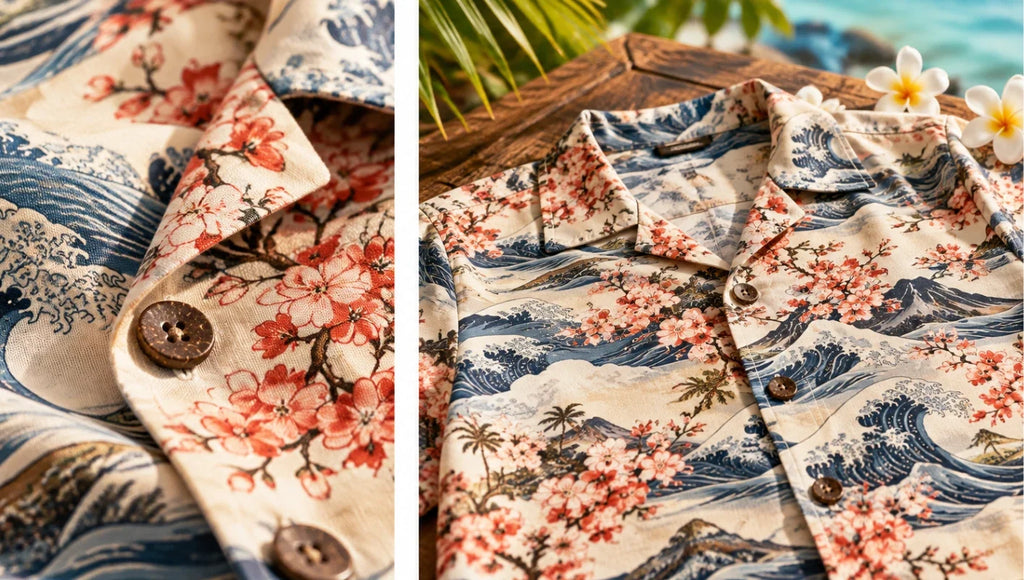
Sugar and coffee plantations drew workers from many places. One history of the shirt puts it this way: they "were parachuted in from Japan, Portugal and all four corners of the Pacific," and each group brought its own clothing traditions (Wavelength). The same article says the shirt was cut from Japanese fabric originally used for kimonos, and that most accounts credit Japanese and Chinese tailors with the earliest examples.
Details differ from source to source. Accounts disagree on which tailor made which shirt first, and on who deserves credit for the name. So the safest summary is the broad one: the aloha shirt is a blend of influences, and Japanese textiles are one of them.

What Is Obon, and How Did It Reach Hawaii?
Obon is a summer holiday celebrated in Japan for more than 500 years. In Hawaii, Bon dances arrived with Japanese and Okinawan immigrants who came to work on sugar and coffee plantations starting in the late 19th century, and temples across the Islands now host dozens of Bon dances each summer (Hawaii Magazine).
Today a Bon dance is open to everyone. You will see families, visiting tourists and long-time dancers all in the same circle, usually with food booths close by.
Yukata: The Summer Cotton Cousin
A yukata is a light cotton robe, and it is what experienced Bon dancers wear instead of a formal kimono, since cotton handles the heat. Hawaii Magazine also notes that temples often sell yukata and happi coats, so you can buy one on the spot if you want to join in.
The link to aloha wear is mostly one of spirit: cotton, summer heat, and a love of pattern. A yukata is not a forerunner of the aloha shirt in a strict, documented sense, so treat the comparison as a way to appreciate both rather than as a family tree.
What to Wear to a Bon Dance
You do not have to dress up. The same article recommends comfortable clothing, especially if you plan to dance, and covered shoes are best, though people dance in Crocs or slippers too.
- An aloha shirt is a perfectly good choice. It is light, it breathes, and it fits the mood of a summer evening.
- Pick comfort over formality. You will be standing, walking and moving in a circle.
- Wear a yukata if you want to. If you borrow or buy one, ask the temple volunteers for help tying the obi.
- Be respectful. The dance honors ancestors, so watch first, follow the dancers around you, and ask if you are unsure.
How to Honor the Connection When You Shop
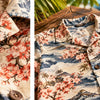
If a Japanese-inspired print appeals to you, enjoy it as part of the shirt's real history. Look for prints with care taken over the motif: waves, cranes, blossoms and fans drawn well tend to look best on rayon or cotton. Browse our men's Hawaiian shirts and see which patterns speak to you.
When you wear a shirt like that, a good rule is to know what the motif means and where it comes from. That small effort turns a nice print into a conversation piece.
Quick Answers
Did the aloha shirt come from kimono fabric?
Many histories say so, citing Japanese tailors and fabric originally used for kimonos. Specific names and dates vary by source.
Do I need a yukata for a Bon dance?
No. Comfortable clothes and sensible shoes are enough, and temples often sell yukata if you want one.
When are Bon dances held in Hawaii?
They are held across the Islands during summer, with temples scheduling their own dates. Check with the temple for the exact evening.
A Shared Thread
Obon, the yukata and the aloha shirt all grew in the same soil: workers who brought their traditions to the Islands and, over time, shared them. Next time you slip on a printed shirt on a warm evening, you are wearing a bit of that history.
-
Posted in
aloha shirts, Hawaiian culture, history, Japanese heritage, Obon